
Tips for Creating a Productive Home Office Environment
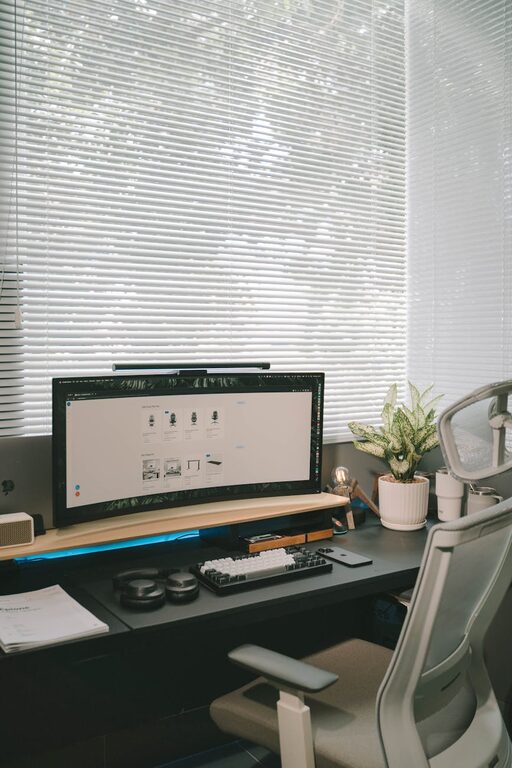
Creating a productive home office environment is essential for anyone working remotely or running a business from home. A well-designed workspace can help improve focus, reduce distractions, and increase efficiency. Whether you have a dedicated room or just a corner in your living space, these tips will help you build a home office setup that supports your work goals.
Choose the Right Location
Finding the perfect spot for your home office is the first step towards productivity.
– Quiet and private: Select an area away from household noise, such as chatter, television, or kitchen activities.
– Natural light: Position your desk near a window if possible, as natural light helps reduce eye strain and improves mood.
– Comfortable temperature: Choose a spot where you can maintain a comfortable temperature all year round.
If space is limited, consider using a room divider or privacy screen to separate your workspace from living areas.
Invest in Ergonomic Furniture
Comfort plays a huge role in maintaining concentration and avoiding aches.
– Desk: Opt for a desk large enough to hold your computer, paperwork, and any other tools you need.
– Chair: Invest in an ergonomic chair that supports your back and promotes good posture.
– Standing desks: Consider adjustable desks that allow you to alternate between sitting and standing during the day.
Remember to arrange your monitor at eye level and keep your keyboard and mouse within comfortable reach to prevent strain.
Declutter and Organise
A tidy workspace helps keep your mind clear.
– Storage solutions: Use shelves, filing cabinets, or desk organisers to keep documents and supplies in order.
– Cable management: Label and secure cables to prevent tangling and create a cleaner look.
– Daily routine: Spend a few minutes at the end of each day tidying your desk and putting items back in their place.
Limiting distractions by keeping your workspace free from unnecessary objects will help you stay focused.
Optimise Lighting
Good lighting is crucial for productivity and reducing eye strain.
– Task lighting: Use desk lamps with adjustable brightness to illuminate your workspace.
– Avoid glare: Position monitors perpendicular to windows to reduce screen glare.
– Ambient lighting: Combine natural and artificial light for a balanced and comfortable environment.
Consider adjustable blinds or curtains to control natural light throughout the day.
Incorporate Personal Touches
While keeping it professional, adding some personal touches can boost motivation.
– Plants: Indoor plants improve air quality and create a calming atmosphere.
– Artwork and photos: Choose inspiring images or photos that bring you joy without distracting you.
– Colour scheme: Select calming colours like blues or greens, or energising shades like yellows, depending on your preference.
Personalising your space can make your home office feel inviting and enjoyable.
Establish a Routine and Boundaries
Creating a productive environment also means managing your time and space wisely.
– Set work hours: Decide on your start and finish times to separate work from personal life.
– Dress for work: Wearing appropriate clothes can help shift your mindset into “work mode”.
– Inform others: Communicate with household members about your schedule to minimise interruptions.
Using calendars and to-do lists keeps tasks organised and deadlines visible.
Use Technology Wisely
Make sure your technology supports your work rather than hinders it.
– Reliable internet: A strong and stable connection is a must for virtual meetings and online collaboration.
– Tools and apps: Use productivity apps, cloud storage, and communication platforms to stay connected and organised.
– Backup plans: Regularly save your work and consider battery backups for unexpected power outages.
Keep your software updated to benefit from the latest features and security.
Take Regular Breaks
Short breaks improve focus and reduce fatigue.
– Follow the 20-20-20 rule: Every 20 minutes, look 20 feet away for at least 20 seconds to reduce eye strain.
– Move around: Stretch or take a short walk to help circulation and refresh your mind.
– Hydrate and snack: Keep water and healthy snacks nearby to maintain energy levels.
Scheduling breaks helps maintain a balanced and sustainable work pace.
—
By applying these tips, you can create a home office environment that not only enhances productivity but also supports your well-being. Remember, the ideal workspace is one that fits your individual needs and work habits. With thoughtful planning and a bit of experimentation, you’ll find the perfect setup to thrive while working from home.
Related Post

How to Create a Cosy Reading Nook for Ultimate Relaxation at Home
Discover easy tips to design a cosy reading nook, making your home a peaceful retreat [...]
Simple Tips for Creating a Cosy and Inviting Living Room at Home
Discover easy ways to make your living room warm and welcoming with simple décor, lighting, [...]