
Tips for Creating a Relaxing Outdoor Garden Space at Home
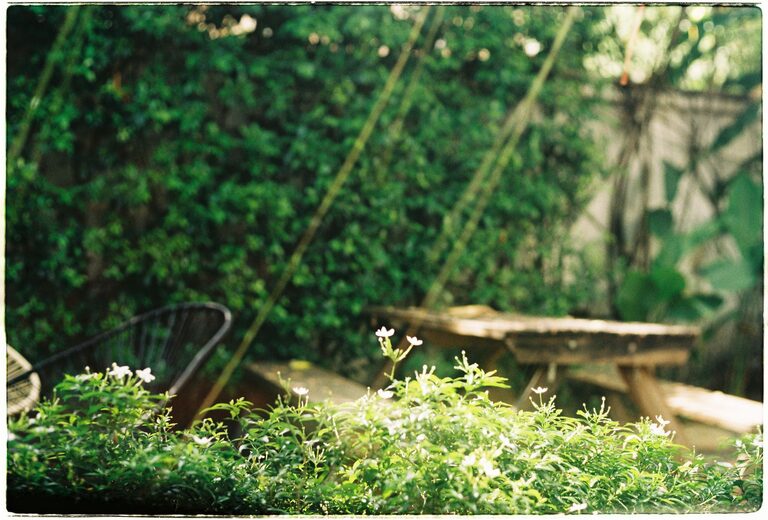
Creating a relaxing outdoor garden space at home can provide you with a much-needed sanctuary to unwind, enjoy nature, and spend quality time with family and friends. Whether you have a large garden or a cosy balcony, transforming your outdoor area into a peaceful retreat is achievable with thoughtful planning and a few handy tips. In this post, we’ll explore practical ideas to help you design a calm and inviting garden space that suits your lifestyle.
Why Create a Relaxing Garden Space?
Outdoor gardens are much more than just decorative spaces; they can improve mental well-being, encourage outdoor activities, and increase your home’s appeal. A calm garden area offers a break from screens and daily stresses, inviting you to connect with nature, meditate, read, or socialise peacefully.
Step 1: Plan Your Garden Layout
Before planting or buying furniture, take time to plan how you want your garden to look and function. Ask yourself:
– What activities will I use this space for? (e.g., relaxation, dining, gardening)
– How much time do I want to spend maintaining it?
– What level of privacy do I need?
Consider zoning your garden with distinct areas—perhaps a seating nook, a flower bed, and a small lawn or pathway. This adds interest and purpose to the space.
Step 2: Choose Soothing Plants and Colours
Plants are the heart of any garden. For a relaxing atmosphere, choose plants that provide visual calm and gentle scents. Some tips include:
– Select greenery with soft textures: Ferns, lavender, and grasses create a soothing look.
– Use muted colours: Soft greens, purples, blues, and whites tend to be peaceful.
– Incorporate seasonal interest: Choose plants that flower at different times so your garden feels alive year-round.
– Add aromatic plants: Herbs like rosemary, thyme, and mint not only look good but provide pleasant fragrances.
Don’t overcrowd your garden; leave breathing space and allow plants room to grow naturally.
Step 3: Create Comfortable and Inviting Seating
Your garden needs a dedicated, cosy spot where you can relax. When selecting seating:
– Opt for comfortable furniture: Cushioned benches, hammocks, or recliners invite longer stays.
– Add shade: Use umbrellas, pergolas, or natural shade from trees to protect from sun.
– Consider weather resistance: Choose materials suited for your climate like treated wood, metal, or weatherproof fabrics.
– Add soft textiles: Outdoor cushions, throws, or rugs add warmth and softness.
Arrange seating to face attractive parts of the garden for maximum enjoyment.
Step 4: Enhance Ambience with Lighting
Well-placed lighting extends your garden use into the evening and creates a calming atmosphere. Here are some ideas:
– Solar-powered lights: Easy to install and environmentally friendly.
– String lights and fairy lights: Add a magical glow over seating areas or paths.
– Lanterns and candles: Create intimate spots with softer flickering light.
– Path lights: Guide visitors safely and highlight key features.
Avoid brightly lit spots that disrupt the tranquillity; opt for warm, gentle lighting.
Step 5: Incorporate Water Features and Natural Elements
Water sounds are well known for their relaxing effect. If space and budget allow, consider:
– A small pond or birdbath: Attract wildlife and offer visual charm.
– Fountains or waterfalls: The gentle trickling sound soothes and masks noise.
– Pebble paths or rock arrangements: Introduce textural contrast and nature-inspired designs.
Natural elements like wood, stone, and plants help the garden feel more grounded and inviting.
Step 6: Add Personal Touches
Bring your personality into your garden space to make it truly yours:
– Decorative items: Wind chimes, sculptures, or garden art can express your taste.
– Planters and containers: Use different shapes and sizes for plants to create interest.
– Outdoor rugs and cushions: Reflect your favourite colours and patterns.
– Books or magazines: Keep a small outdoor shelf or box for easy reading material.
Personal touches make the garden feel homely and more welcoming.
Step 7: Maintain with Mindfulness
A relaxing garden encourages mindful care rather than stress over upkeep:
– Choose low-maintenance plants if you have limited time.
– Set a routine: Even short daily or weekly gardening sessions can make a difference.
– Enjoy the process: Use gardening time as a meditative activity.
– Use natural gardening methods: Avoid harsh chemicals to keep your garden healthy and safe.
Regular maintenance helps keep your garden looking fresh and inviting.
Final Thoughts
Creating a relaxing outdoor garden space is about combining natural beauty with comfort and personal style. With a little planning, attention to detail, and ongoing care, you can enjoy your very own peaceful retreat right at home. Start small, experiment, and most importantly, have fun turning your outdoor space into a sanctuary you’ll love visiting every day.
Happy gardening!